Supply Chain & Transportation
Driving Efficiency and Streamlining Tomorrow’s Transport
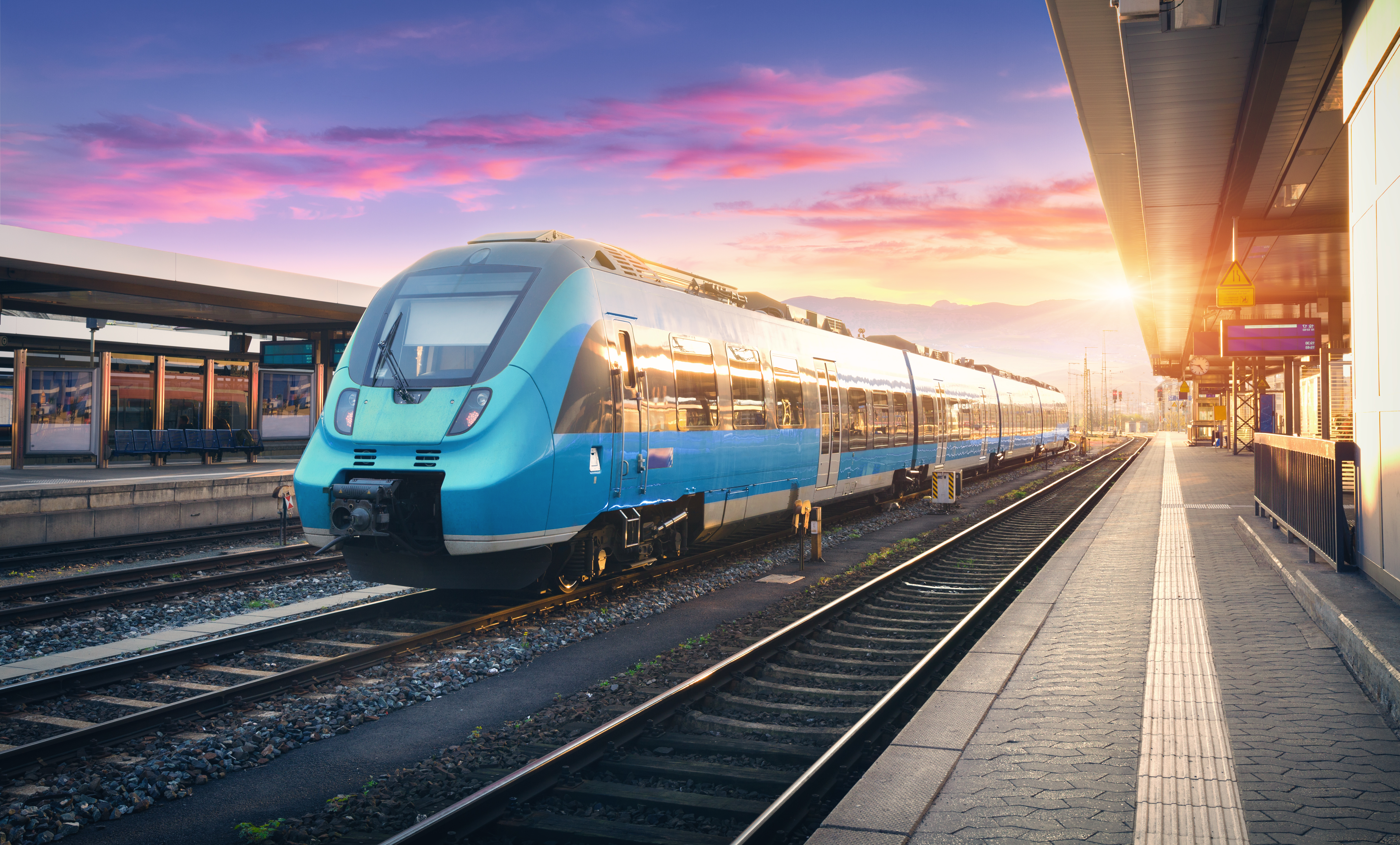
Supply Chain & Transportation is the system behind how products, people, and materials move—from factory to warehouse to store shelf, or from point A to point B across a city, country, or ocean. This cluster includes everything from logistics planning and inventory management to commercial driving, aircraft maintenance, rail operations, and maritime transport.
Careers in this cluster are essential to keeping goods flowing through the economy. Professionals work in purchasing, scheduling, transportation maintenance, vehicle operations, and warehouse management. Whether moving shipping containers across oceans, routing deliveries in cities, or operating forklifts in fulfillment centers, this field makes modern life possible.
Why We Love Supply Chain & Transportation
This is a high-energy where results are clear and the work is constantly moving. We love that it offers strong starting pay, clear training pathways, and real-world impact—without always requiring a four-year degree. It's a great fit for people who are reliable, organized, mechanically inclined, or excited by logistics and efficiency.
With the rise of e-commerce, smart shipping, and global delivery networks, these careers are more in demand than ever. From drones and electric trucks to AI-powered route planning, technology is reshaping this industry—and creating new opportunities for those ready to adapt and lead. Whether you're behind the wheel or behind the scenes, this cluster offers practical, purposeful work that keeps the world connected.
Example Career: Freight Logistics Coordinator
Average Salary: $60,000/year
Where People Work
Airports and seaports
Logistics and freight companies
Rail and metro systems
E-commerce and retail distribution centers
Warehousing and inventory facilities
Manufacturing and production hubs
Transportation safety agencies
Delivery services and postal networks
Auto and aviation repair shops
City, state, and federal transportation departments
Drone delivery coordinator
Electric vehicle maintenance technician
Blockchain logistics analyst
Air cargo scheduler
Maritime operations manager
Supply chain sustainability officer
Rail systems technician
E-commerce logistics specialist
Warehouse automation engineer
Urban transit planner
Cool Jobs
Air & Space Transportation
Ground & Rail Transportation
Maintenance & Repair
Marine Transportation
Planning & Logistics
Purchasing & Warehousing
Sub-Industries
Top Tips
It’s a field where you can start earning quickly.
Many careers begin with on-the-job training or certifications—whether you're learning to drive commercial trucks, operate warehouse systems, or repair engines. From there, the opportunities grow with experience and specialization.
Technology is transforming everything.
Modern supply chains use real-time data, robotics, AI, and automation to make faster, smarter decisions. Whether you're managing inventory with predictive software or operating a drone for delivery, digital skills can help you stand out in this fast-moving sector.
Dependability is key.
These careers often require coordination across teams, systems, and time zones. Being responsible, detail-focused, and calm under pressure helps keep things running smoothly—whether you're behind the wheel, on the tarmac, or in a control center.
The work can take you places.
If you like travel, variety, or working outdoors and on the move, this field offers mobility and adventure. From air traffic control towers to shipping ports to cross-country highways, this is a career path with motion built in.
Hear from someone in Supply Chain & Transportation
This content is based on the National Career Clusters® Framework, a national initiative led by Advance CTE. Advance CTE works to empower every learner to pursue career success through high-quality CTE programs. Their modernized framework helps connect education to real-world career opportunities and is used across the United States to guide career exploration and planning. The research and development of this content was led by Sheri Smith, founder of Indigo, and Dr. Alexandria Wright, who served as co-principal investigators for the project.