Energy & Natural Resources
Powering Progress and Preserving Our Planet
Energy & Natural Resources is all about powering the world while protecting the planet. This career cluster includes everything from traditional and renewable energy production to environmental science, utilities, and natural resource management. Professionals in this field explore, extract, conserve, and deliver the energy and materials we use every day—electricity, water, fuel, minerals, and more.
Careers span high-tech clean energy fields like solar, wind, hydrogen, and battery recycling, as well as hands-on jobs in mining, land conservation, and utility infrastructure. Whether you’re working deep underground or high above on a turbine, this field is rooted in science, systems, sustainability, and the smart use of resources.
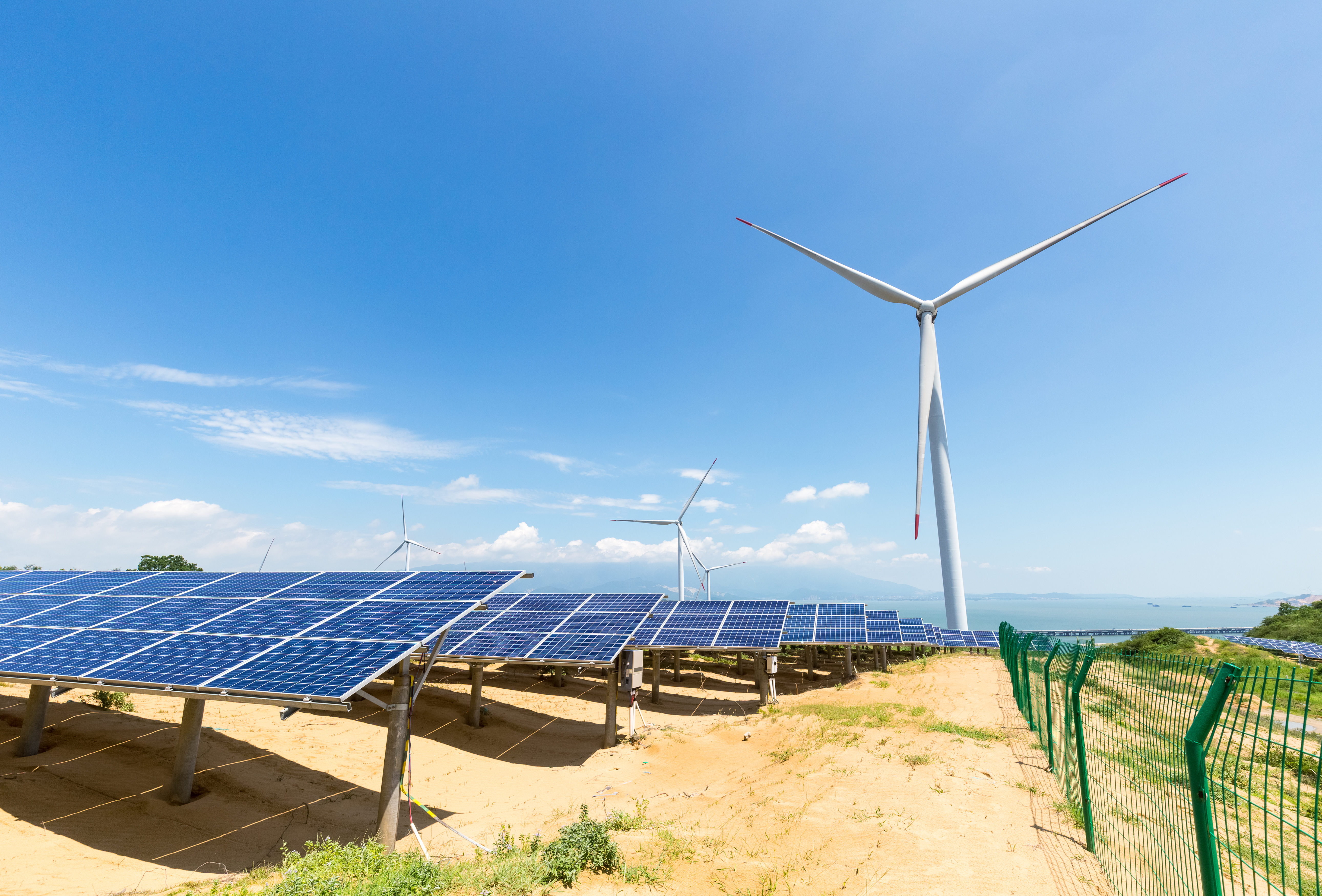
Why We Love Energy & Natural Resources
This is a future-focused field for people who want to solve big challenges—like how to reduce pollution, power our homes more sustainably, or protect endangered ecosystems. We love that it combines real-world impact with exciting innovations in engineering, environmental science, and energy technology.
It’s a great fit for people who are curious about the environment, interested in how systems work, and ready to take on global problems like climate change and energy access. Many roles in this cluster offer good pay, outdoor work, and the chance to shape how entire communities operate and grow.
Whether you’re maintaining wind turbines, managing wildlife areas, or researching climate data, you’ll be part of building a more sustainable world.
Example Career: Environmental Scientist
Average Salary: $78,000/year
Where People Work
Solar and wind energy companies
Mining and drilling operations
Environmental protection agencies
Utility companies (electric, water, broadband)
Research labs and universities
State and national parks
Nonprofit conservation organizations
Clean tech startups
Municipal planning departments
Agricultural or land-use services
Solar panel installation technician
Wind turbine maintenance specialist
Environmental data analyst
Hydrologist or water resource manager
Battery recycling engineer
Sustainability advisor
Wildlife conservationist
Geothermal system designer
Green utility operations manager
Climate resilience planner
Cool Jobs
Clean & Alternative Energy
Conservation & Land Management
Ecological Research & Development
Environmental Protection
Resource Extraction
Utilities
Sub-Industries
Top Tips
This field is changing fast.
With the rapid growth of renewables and green infrastructure, there’s high demand for people who understand solar, wind, EV systems, and energy storage. At the same time, traditional resource extraction careers are evolving with better safety practices and smarter tools.
It’s not all about science—but science helps.
Many roles benefit from skills in biology, chemistry, physics, or environmental science, but others focus more on hands-on work, system operation, or public service. Whether you're fixing solar panels or designing a carbon policy, there's a place for different strengths.
You can protect and produce at the same time.
This cluster includes both conservation work—like protecting forests and water—and production work, like drilling or mining. Increasingly, companies and governments are looking for professionals who can balance economic and environmental needs.
Opportunities exist in both public and private sectors.
You might work for a national park, a utility company, a research institution, or a global energy firm. Jobs can be found in cities, rural areas, and remote locations—anywhere energy is needed or nature must be preserved.
Hear from someone in Energy & Natural Resources
This content is based on the National Career Clusters® Framework, a national initiative led by Advance CTE. Advance CTE works to empower every learner to pursue career success through high-quality CTE programs. Their modernized framework helps connect education to real-world career opportunities and is used across the United States to guide career exploration and planning. The research and development of this content was led by Sheri Smith, founder of Indigo, and Dr. Alexandria Wright, who served as co-principal investigators for the project.