Advanced Manufacturing
Engineering and Producing Tomorrow’s Solutions
Advanced Manufacturing is all about using high-tech tools, smart machines, and innovative ideas to make products more efficiently and safely. Whether it’s designing robots, running 3D printers, maintaining factory equipment, or improving quality and safety systems, this industry blends engineering, creativity, and problem-solving with real-world results. It’s where old-school craftsmanship meets next-gen technology.
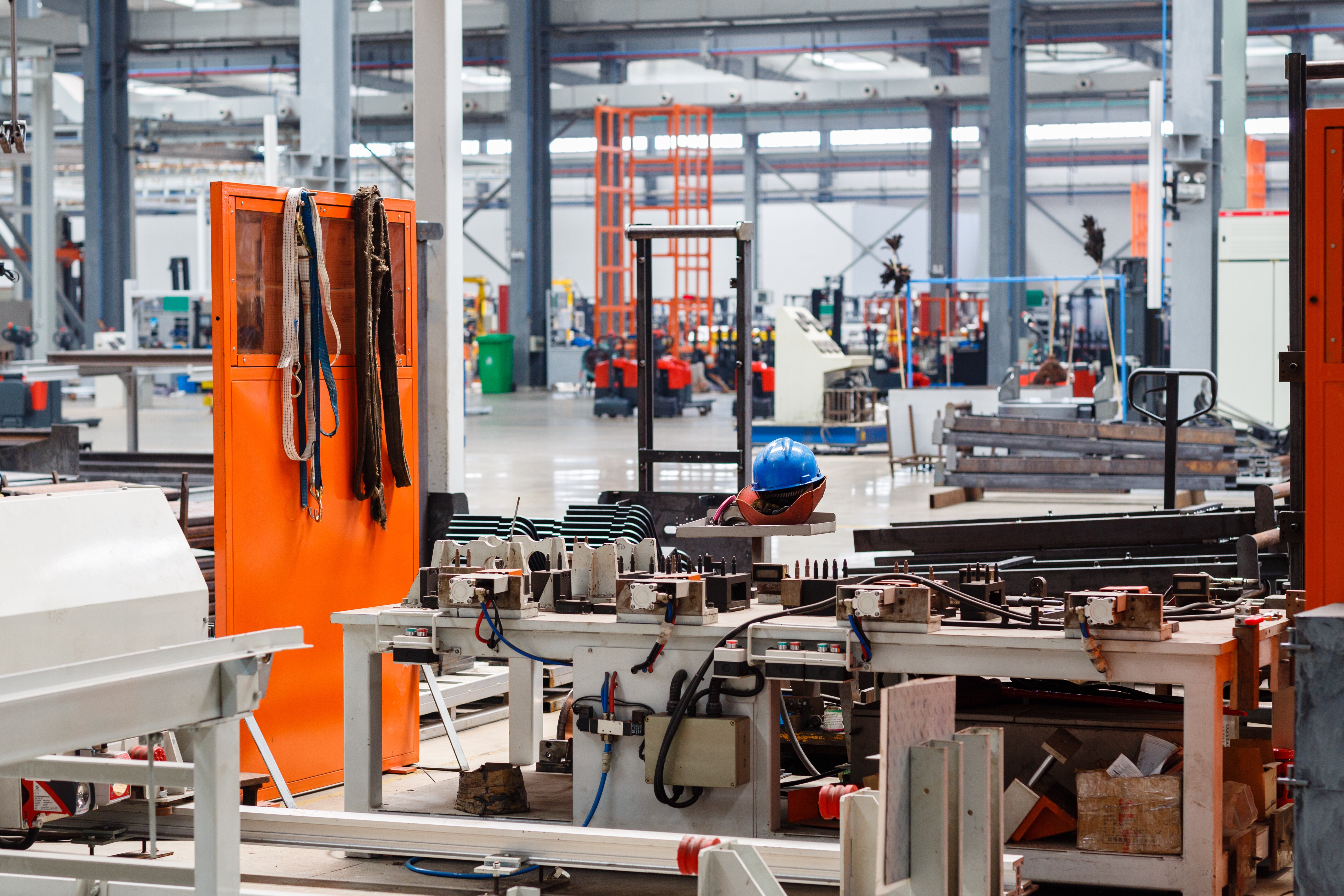
Why We Love Advanced Manufacturing
This field is perfect for people who like building, fixing, or improving things—and want to see results. As industries shift to more automation and smarter systems, advanced manufacturing offers tons of exciting opportunities that don’t require a four-year degree. Advanced Manufacturing careers are a great fit if you: 1) Like working with your hands, tools, or machines; 2) Enjoy solving problems and making things better; 3) Want a job that’s in demand and pays well; 4) Are curious about how things work—or how they could work better.
Plus, this industry is evolving fast. Manufacturing jobs are in high demand across the country. As more people have moved into office and computer-based work over recent decades, a growing skills gap has emerged. In fact, the National Association of Manufacturers (NAM) predicts that up to 2.1 million manufacturing jobs could go unfilled by 2030 due to a shortage of trained workers. While some people worry that automation will eliminate jobs, the opposite is often true—modern manufacturing needs people to design robotic arms, build sustainable packaging, run automated production lines, and ensure safety in high-tech environments. Skilled labor isn’t going away—it’s evolving.
Example Career: Robotics Technician
Median Salary: $60,570/year
Where People Work
Factories and high-tech production facilities
Research and development labs
Robotics or automation companies
Medical device and aerospace manufacturers
Engineering and design firms
Quality assurance and safety labs
3D printing technician
Automation engineer
Sustainable manufacturing consultant
Robotics programmer
Industrial cybersecurity analyst
Cool Jobs
Engineering
Industrial Machinery
Production & Automation
Robotics
Safety & Quality Assurance
Sub-Industries
Top Tips
You don’t need a 4-year degree to get started.
Many careers in manufacturing begin with certifications, apprenticeships, or vocational training—not college. Whether you’re learning on the job, training at a technical center, or joining through a union or trade association, there are clear paths to good-paying roles. These programs often take less than two years and can launch you directly into roles like CNC machinist, robotics technician, or quality control specialist.
It’s a great fit for problem-solvers and precision-lovers.
Whether you're building advanced tools, improving systems, or checking quality standards, this field values people who pay attention to detail, think ahead, and want to see real results from their work.
Today’s manufacturing environments are often high-tech, clean, and digitally integrated. Many workers operate smart machines, monitor data systems, or program robots—not just assemble parts. Of course, some jobs still require physical skills and mechanical know-how, but tech is at the center of it all.
Manufacturing jobs offer real stability and benefits.
This industry consistently offers strong wages, retirement plans, and healthcare benefits, often more generous than in other sectors. Many people in manufacturing build long, rewarding careers with room to grow, advance, and specialize over time.
Work stays at work.
Unlike office jobs where projects follow you home, manufacturing often comes with clear boundaries—once the shift ends, the workday is over. This makes it easier to maintain a healthy work-life balance and avoid burnout.
Hear from someone in Advanced Manufacturing
This content is based on the National Career Clusters® Framework, a national initiative led by Advance CTE. Advance CTE works to empower every learner to pursue career success through high-quality CTE programs. Their modernized framework helps connect education to real-world career opportunities and is used across the United States to guide career exploration and planning. The research and development of this content was led by Sheri Smith, founder of Indigo, and Dr. Alexandria Wright, who served as co-principal investigators for the project.